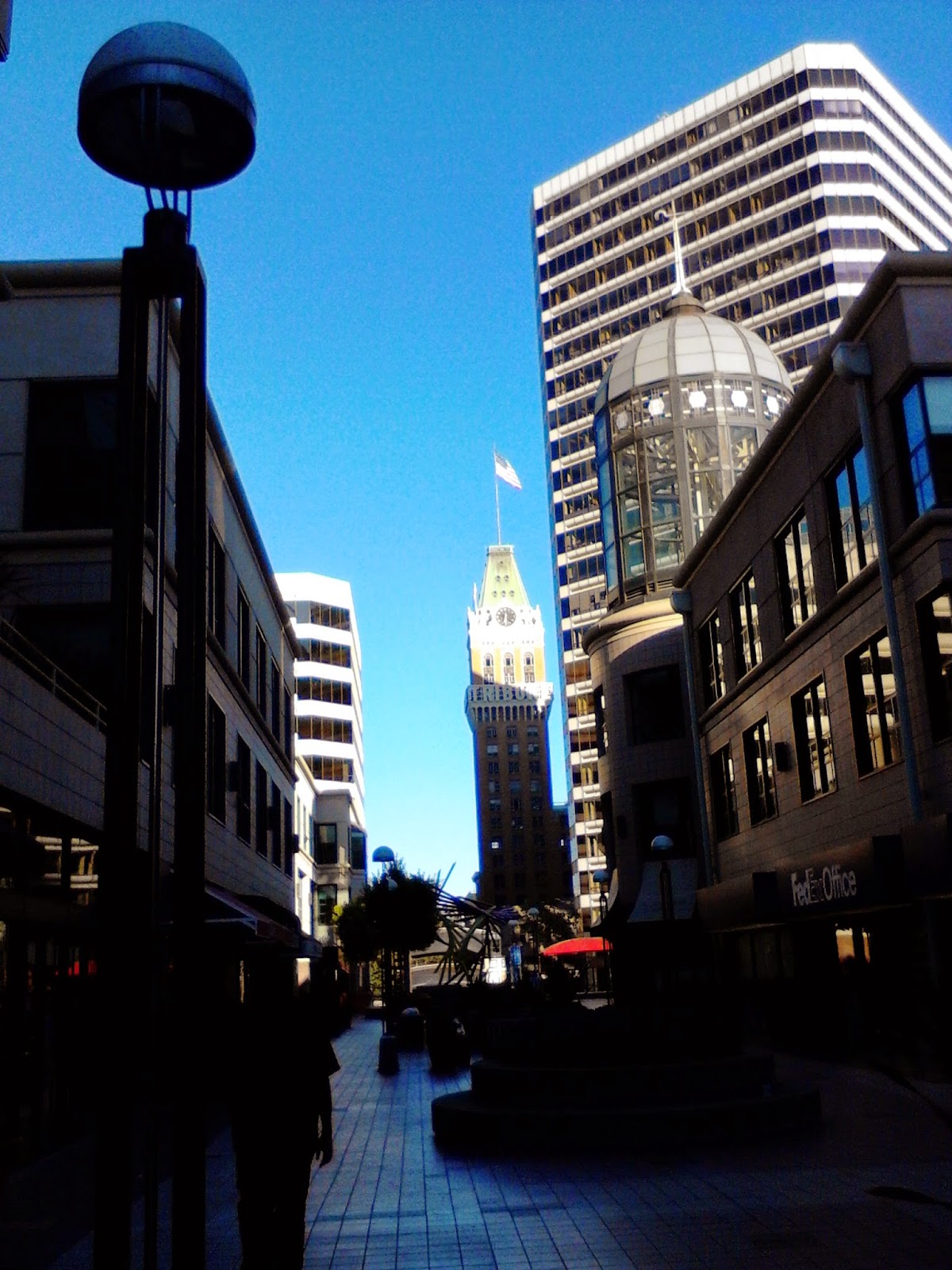
The Thrills: Santa Cruz (You're not that far).
Pokušaću u ovom blogu da malo opišem i predstavim uličnu umetnost u SF koja se nalazi u i oko Mission street, koja teče od severoistočne obale (Embarcadero) do jugozapadnog dela grada (Daly city), pokrivajući nekih 11km. Većina ovih murala se nalazi na jugu, u opštini Mission, između 16. i 25. ulice (mapa). Više o uličnoj umetnosti u celom SF na sajtu http://www.sfmuralarts.com/.
In this post, I'll try to describe and present a bit street art in SF around and in Mission street, which heads from North-East coast (Embarcadero) to South-Western part (Daly city), covering some 11km. Most of this murals are on the South, in Mission district, between 16th and 25th street (map). More about street art in whole SF on http://www.sfmuralarts.com/.
Pokušao sam da ih podelim po celinama, da bude lakše za praćenje, iako svaki od njih može da bude zastupnjen u više grupa/kategorija (oni koji me poznaju su upućeni u moju maniju strukture i organizacije). Ko želi, može da ih isprati prema lokacijama na sajtovima i da ih uveća da vidi natpise/potpise/detalje. Pažnja: ovo je poduži blog, ima dosta slika :)
I tried selecting and grouping photos according to wholes, making it easier for remembering, although each whole could easily be part of other groups as well (ones who know me are well introduced to my fetish for structuring). On the websites they are presented though locations. Zoom each if you want to see the inscriptions/signatures/details.
Warning: this blog is a long one :)
Grad / savremeno društvo:
City / contemporary society:
 |
| Ovaj (u tri dela) je pun detalja i simbola - pogledajte samo kostura za kompjuterom, sa utikačom pričvršćenim za lobanju, rajsferšlusom na ustima i zabatom klasicističke zgrade! / This three part mural is full of symbols and details - just check the skeleton in front of a computer, with a plug attached to its head, zipper on it's mouth and garble of a neoclassical building! |


 |
| Narcania vs Death: heroina koja se bori protiv overdoziranja heroinom / heroine who fights against heroin overdose |


 |
| Nasilje, seksizam, isključivanje iz društva i strah. |
 |
| Oporezujmo bogate :) |
 |
| Projekat murala Clarion alley: Zid srama i rešenja. |
Murals, graffiti, street art... these and many other names are given to mark the signatures, signs, drawings, characters, objects, beings, shapes, landscapes, design, interventions, visual stories we see on walls. They all have in common the street as a (meeting) point of communication, whether a work is targeted to other graffiti artists, passer-byers, a community or e.g. artistic public.
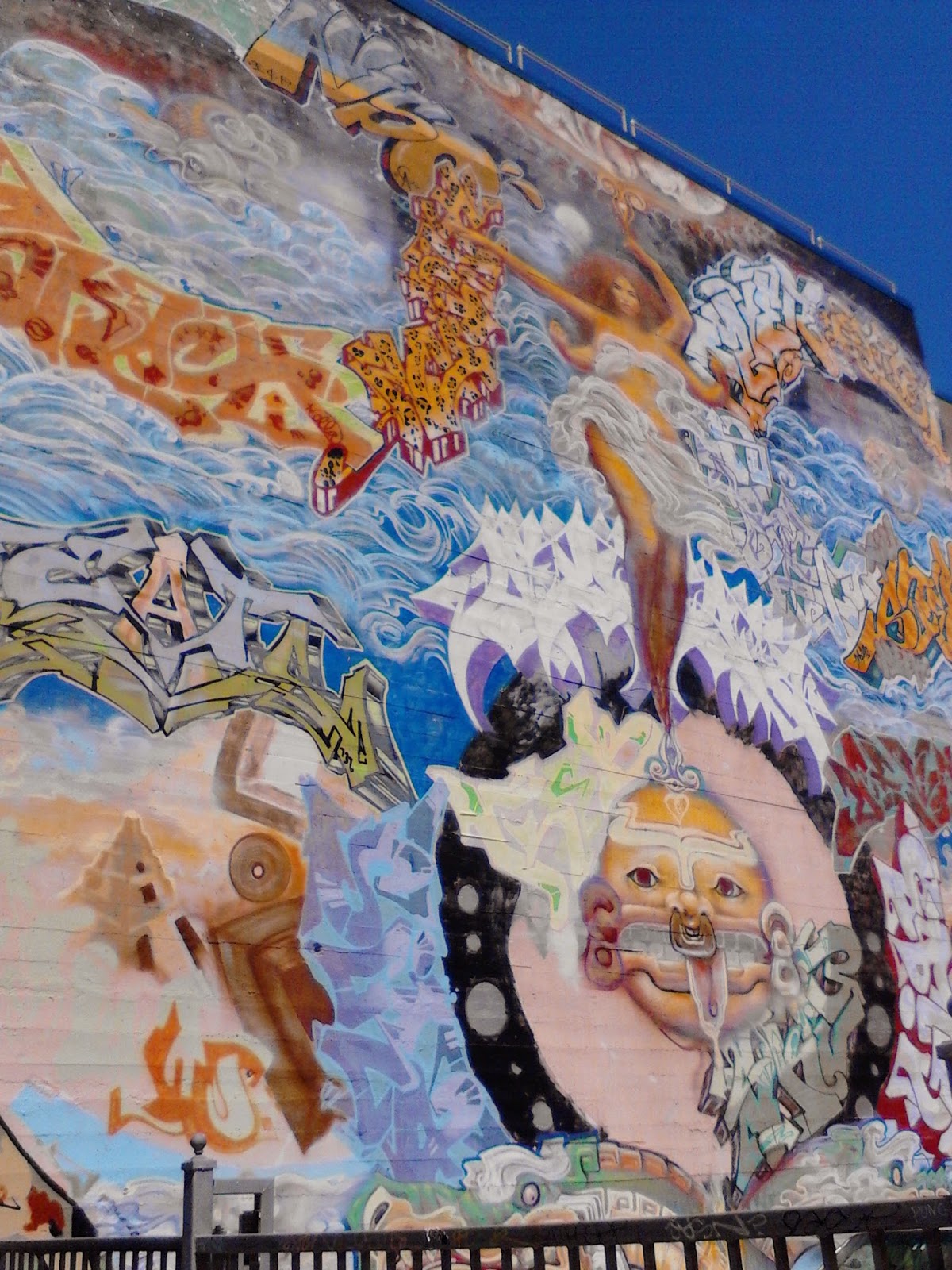
Latino / chicano (hispano zajednica i kulturološki motivi - delimično se produžava i na Grad / savremeno društvo i Komemorativni):
(Hispanic communities and cultural motives - partially extended in City and Commemorative):

 |
| Meksička umetnica Frida Kalo / Frida Kahlo, MX |

 |
| Ovaj i prethodni podseća sa detaljima na murale Teotiuakana i pre-Kolumbovskih mezoameričkih civilizacija / This and the one before have strong resemblances to Teotihuacan murals and pre-Columbus Mesoamerican civilizations |


 |
| A šta bi uradio Sapata? What would Zapata do? |

 | ||
| Prikazan je Astečki mit o Popokatepetlu i Istaksiuatl (ako sam dobro transkribovao), koji su postali planine-vulkana koji okružuju današnji Meksiko siti / Aztec myth of Popocatepetl and Iztaccihuatl, lovers who had become mountains-volcanos surrounding today's Mexico sity |

Zapravo, iako je opšteprihvaćen naziv "ulična umetnost", "umetničko" je često tema diskusije. Počeci grafita se ne nalaze u umetničkom svetu, iako su kasnije bili prihvaćeni u isti, kao i u svet dizajna i reklama. Mnogi ulični umetnici ne dolaze sa umetničkih akademija, a školovani umetnici često prave uličnu umetnost. Ko i šta odlučuje šta je umetnost? Naziv? Umetnički sistem? Reference? Stil?
Hm, although "street art" is widely accepted, what's "at" there is highly discussed. The very beginning of graffiti was not targeting the (high) artistic sphere, nevertheless it was later incorporated into it, as well as in design and commercials. Many street artists are not artistically educated, while other official artists are creating street art. Who decides what is art? A title? ARtistic system? Reference? Style?
Arty
 |
| Poentilistično - u stilu Žorža Seraa / Pointillistic |

 | ||
| Omaž francuskom strip umetniku Žanu Žirou - Moebius / A homage to French artist Jean Giraud Moebius |


Iako pripada ulici, street art se često može videti u galerijama (tj. van zidova ulica), sa problematičnom pozicijom. Nekada je bilo: ne-umetnost ulazi u umetnički prostor i propituje šta je umetnost danas. Danas možemo da vidimo i uličnu umetnost (sa ili bez navodnika) koja je napravljena prvenstveno za izlaganje u galerijama. Ili kao uzorak umetničke intervencije/ meeting of styles/ dokument. Pitanje da li galerije umrtvljuju uličnu umetnost i oduzimaju joj ulicu kao gradivni element ostaje pitanje koje zavisi od toga kako se pristupa radovima, uz kritički potencijal i svesnost izlaganja u tom sistemu.
Primarily belonging to the street, street art could be seen also in galleries (i.e. not on street walls), with a somewhat problematic position. Once the narrative was that non-art was coming into the art space to question what is art today. Today we could see street art (with or no quotation marks) made on first place to be showcased in galleries. Or as a sample of artistic intervention/ meeting of styles/ document. The question is are galleries petrifying street art and depriving it from its basic element - the street - remains a discussion which depends from the was the works are threated, with critical potential and awareness of exhibiting in the given system.
Religiozni:
Religious:


Ulična umetnost je prečesto efemerna, ona postoji u javnom prostoru kao jedan od glasova koje vidimo. Bilo da se radi o grafiti potpisu, stensilu ili muralu, političkoj poruci, komemorativnoj slici ili umetničkom radu, svaki zid je trošan i on utiče na život same slike. Kuće se ruše, delovi grada džentrifikuju, zidovi bivaju prekrečeni ili pokriveni novim slojem natpisa i slika, vreme nagriza materijale od kojih su napravljene boje i podloga (retko kad namenski napravljeni da traju duže). Neki radovi nestanu i ostanu u sećanjima i na fotografijama, kao dokument. Neki drugi, s ciljem da ulepšaju oronuli deo grada, postanu oznaka mesta i budu sačuvani za budućnost. Retko koji budu "isečeni" i prebačeni, sve sa zidom, u neko manjo turbulentno okruženje. Međutim, nažalost, većina ulične umetnosti ostaje prolazna, pod stalnom pretnjom nestanka.
Street art is often ephemeral, it exists in public space as one of the many voices we see. Whether talking about a graffiti signature/characters, stencil or mural, political message, commemorative picture or artwork, every wall is friable and it affects on the life of every image. Houses are being torn down, quarters gentrified, walls are being white-walled or covered with new layer of signs and pictures, the time corrodes materials which make street art's colors and background (rare are the examples when they are made to last with this purpose in mind). Some works disappear and remain in our memories or caught on photographs, as a document. Others, aiming to beautify a part of the dilapidated city, become part of a topography, being saved for the time being. There are not many ones which were "cut" and transported, wall included, into a less brittle surrounding. But, unfortunately, most of street art is there just for a short period of time, under constant threat of disappearance.
Likovi:
Characters:


Da li je rešenje da ulična umetnost bude u startu planirana kao dugotrajna? Da se radi kao freske? Pitanje je ko to može da priušti, a jedan deo ulične umetnosti stoji kao izraz trenutka, brz i sa željom da se sačuva anonimnost autora. U centru gradova ovakve intervencije nisu toliko dobrodošle jer je sve ili očišćeno ili je teško dobiti dozvole, tako da se dostupne "podloge" nalaze van elitnih zona. Ili na mestima gde vlada status quo. Ili...
Kako god, često ne mogu da izbegnem utisku da neke ulice postaju galerije na otvorenom, pričajući mnogobrojne priče o kreativnosti, idejama, sećanju, borbama, ljudima...
Is part of a general solution to have street art planned as a long-term thing right from the beginning? To have a mix with contemporary frescoes? There's a big question who can afford it, and there's a huge part of street art which stands as a expression of a moment, fast and wishing to save its author's anonymity. In city centers these interventions are not so welcomed because everything is (already) cleaned or it's hard to obtain permissions, making the more available bases outside the elite zones. Or in places with status quo... Or...
How ever, often I cannot escape the thought that some streets are becoming open air galleries, telling many stories about creativity, ideas, memory, people, fights...
Komemorativni 1:
Commemorative 1:


Jedna od meni najzanimljivijih lokacija je bila Balmy alley, koja stoji kao turistička međa San Franciska za svakoga ko želi da istražuje i posmatra murale. Umetničko udruženje Precita eyes, posvećeno obogaćivanju javnih murala i obrazovanju o važnosti murala gradskih zajednica, ima svoje sedište u blizini. Oni takođe organizuju i vođenja za najavljene grupe, u cilju da posetiocima pruže uvid u priču koja se nalazi iza murala.
One of most interesting locations for me was Balmy alley, which stands as a touristic must see of SF for anyone who's interested into street art. Art association Precita eyes, dedicated to enriching public murals and educating about the importance of murals of city communities, has its headquarters nearby. They are also organizing public guidances for announced groups, aiming to provide the visitors an insight into narratives behind the murals.
Komemorativni 2:
Commemorative 2:


Nekome (poput mene) ko dolazi sa strane, community-based murals čine se i zanimljivim i delimično razumljivim. Iako figuralni, težeći da opišu situacije i ljude realistično, mnogobrojne priče računaju s tim da posmatrači imaju neko predznanje. Odnosno, računa se na određene kulturološke pretpostavke. Tu često može da se dođe do paradoksa u želji da se npr. život i istorija neke zajednice predstave na zidu ulice, a da zapravo komuniciraju ponajviše sa tom istom zajednicom (više o tome sam našao na primeru hispano pokreta Čikano). Čini mi se da sve zavisi od naše percepcije, čitanja i dostupnosti "univerzalnih" simbola, kao i dostupnosti informacija o samom radu.
To someone like me - coming from aside - community-based murals seem both interesting and partially understandable. Although figural/representational, wanting to describe situations and people in a realistic way, many stories count on the fact that the viewers have some kinda of precognition. That is, it counts on specific cultural assumptions. There may be a paradox in a wish to e.g. present life and history on a community on public wall, while at the same time communicating predominantly with those same members (following that thought, a text talking about Chicano muralism in SF). It seems to me that it depends on our perception, reading and availability of "universal" symbols, as well as info on the work itself.
Sekcija razno:
Various:

 |
| Cash ruined everyone around me. |

 |
| Ispred škole Chavez. |

 |
| Motiv Huichoi indijanaca / Huichoi Indians motive |

Da ne bih pričao apstraktno, evo primera iz prve ruke. U Balmy uličici sam upoznao umetnicu Mirandu Bergman koja je obnavljala mural iz 1984, u saradnji sa O'Brian-om Thiele-om. Mural se zove Kultura sadrži seme otpora koje će iznići kao cvet slobode (Culture Contains the Seed of Resistance that Blossoms into the Flower of Liberation). Naslikan je na zidu niske kućice iza koga se nalazi garaža/studio/ostava.
To stop talking abstract, here's a first-handed example. In Balmy alley I have met an artist Miranda Bergman which was renovating a mural from 1984 which she made with artist O'Brian Thiele. Mural is titles Culture Contains the Seed of Resistance that Blossoms into the Flower of Liberation. It's painted on a wall of a small house behind a garage/studio/shack.


Po njenim rečima, mural ilustruje deo života i istorije hispanske zajednice (inače veoma prisutne u Kaliforniji) u tom delu grada. Pre 30. godina grupa aktivista se okupila da bi kritikovala predsednika Ronalda Regana i "oružane intervencije" SAD u Centralnoj Americi. Istovremeno, oni su izrazili solidarnost i dobrodošlicu izbeglicama iz pogođenih zemalja. Na taj način, mural obeležava jednu akciju, ali i sećanje na događaje za koje Miranda kaže da su jednako važni i aktuelni dan danas.
As she told me, the mural illustrates part of life and history of Hispanic community (btw, very present in CA) in that part of the city. Exactly 30 years ago a group of activists gathered in order to criticize president Ronald Reagan and "armed interventions" of USA in Central America. At the same time, the activists expressed solidarity and welcomed the refugees from affected countries. And that's how the mural illustrates the events, but also preserving memory which is both important and very up-to-date, as she told me.


Iz tog razloga, ona je pokrenula akciju na sajtu Indiegogo da se mural obnovi i tako (privremeno) zaštiti od propadanja (ko može i želi, neka podrži :)
Inače, saznao sam da je ona učestvovala i u timu umetnica koje su naslikale veliki mural na Women's building kome je takođe trenutno potrebna zaštita.
From the same reason, she started a online campaign on Indiegogo to have the mural restored and temporarily protected (support if you can :)
Apart from that, I've found out that Miranda was part of a big team of women artists who painted the great mural on Women's building who also needs protection and restoration.


Nekada je ulična umetnost poput panka - kratka poruka s ciljem da uzdrma i kaže "evo me!", kao glas koji želi da bude čut. Nekada od toliko glasova dolazi do šuma informacija, pogotovo kada na ulicama postoji konkurencija reklama, natpisa i ostalih vizuelnih informacija. Nekada vidimo ukras, ornament. Nekada poruku koju više ili manje razumemo. Možda i umetničko delo. Ili pak priču koju do sada nismo čuli, geg, parodiju, citat, igru reči i slika.
Sometimes street art seems as punk music - a short message with the aim to shake us up and say "here I am!", as a voice which wants to be heard. Sometimes from so much voices we hear a murmur, specially when there is a competition of ads, other signs and visual information. Sometimes we see a decoration, an ornament. Sometimes a message which we more or less understand. Sometimes an artwork. Or a story which we haven't heard before, a gag, parody, quote, word and image play.
Par murala iz Ouklenda:
A few murals from Oakland:

 |
| Alice street mural (o ovom i muralu ispod sam pisao u jednom od prethodnih postova / mentioned on the link). |
 |
| El día de los muertos, Jesse Hernandez, OMCA. |
I par iz Berklija:
And few from Berkeley:


 |
I za kraj ovog posta - RHCP: Californication!
Describing it in general, it's hard to have a single umbrella to all meanings of street art. Quality differs, as well as the one sho sends and gets the massage.
And for the end of this post - RHCP and Californication!